Regenerative agriculture in Serbia has taken a step onto the European stage. The Regenerative Agriculture Alliance of Serbia has become a partner organisation of EARA (European Alliance for Regenerative Agriculture), joining a wider European network of farmers, research and advocacy. For growers at home, it means direct access to the knowledge and hands-on experience of colleagues across the continent.
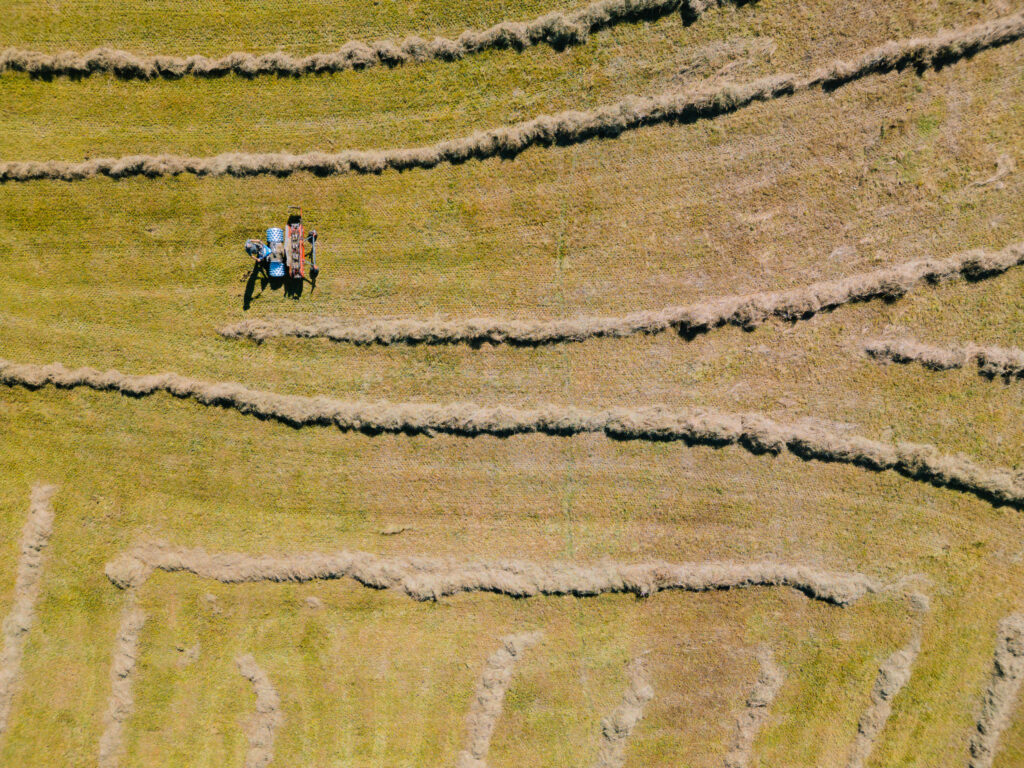
What is EARA?
EARA is an independent alliance founded in 2023 and led by farmers themselves. It brings together regenerative producers of every profile, young and experienced, from small holdings and large estates, working in arable farming, livestock and perennial crops. What unites them is a shared goal: restoring soil health and building resilience into food production.
The alliance works along four main lines:
- Research: gathering evidence on how regenerative practices actually affect yields, costs and soil.
- Knowledge and education: spreading the practices that have proven to work.
- Solutions: developing tools and mechanisms that make the transition easier for farmers.
- Advocacy and policy: carrying the farmer voice to where decisions get made, at European Union level.
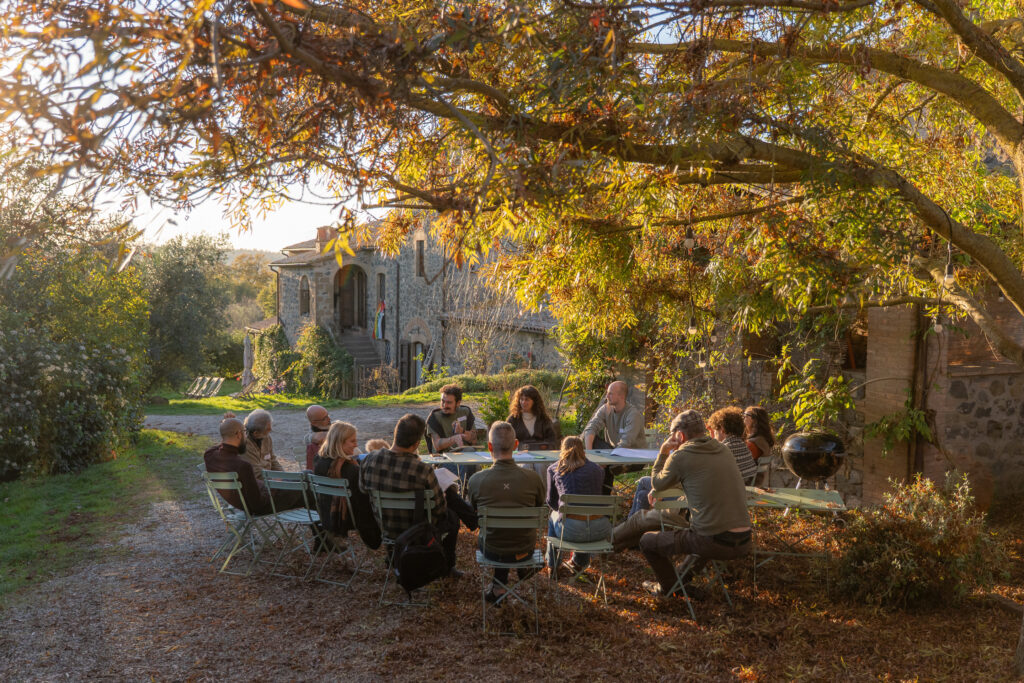
What the partnership means for farmers in Serbia
As a partner organisation, the RegAgri Alliance takes part in joint activities, working groups and knowledge exchange within the European network. For producers in Serbia, that translates into three concrete things.
Access to proven knowledge. Instead of learning everything by trial and error on their own land, farmers here gain insight into what has already been tested and measured across thousands of hectares in Europe.
Evidence rather than promises. Extensive research carried out by EARA found that regenerative farms achieve comparable yields with far lower spending on inputs: roughly 61% less mineral nitrogen and 75% fewer pesticides, alongside a gross margin per hectare about 20% higher.
A voice in Europe. Decisions taken at EU level, above all through the Common Agricultural Policy (CAP), shape production conditions in Serbia too. Being part of a European network means the experience of local producers becomes part of that bigger picture.
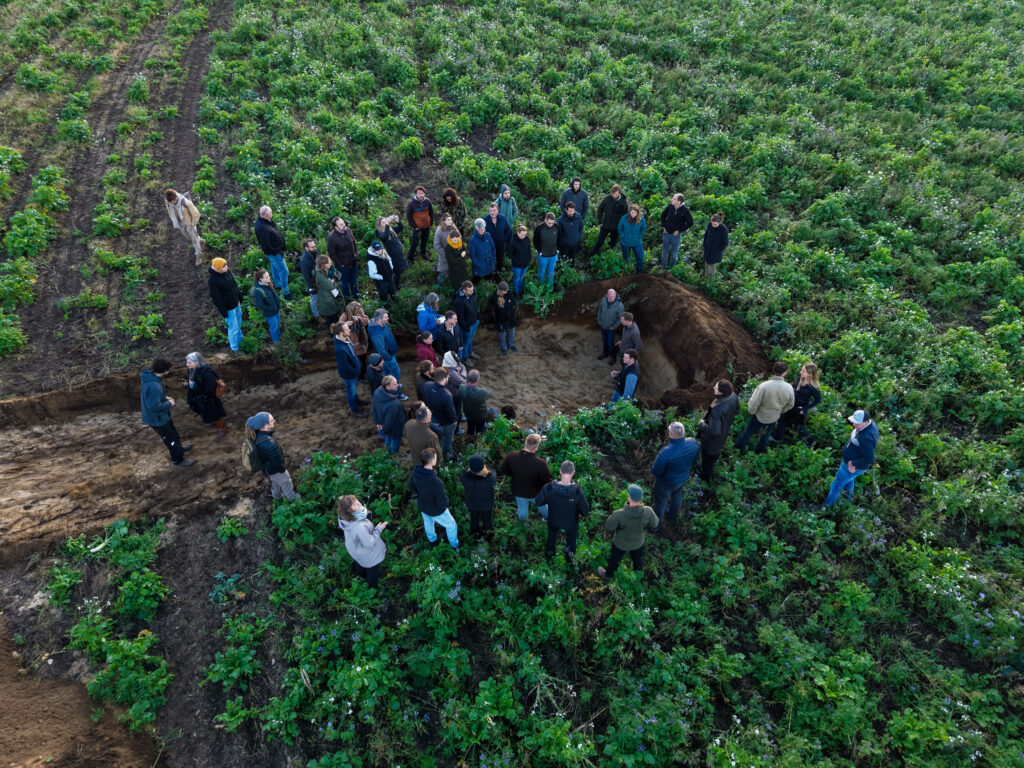
Soil regeneration knows no borders
The processes at work in soil, from loss of organic matter and compaction to erosion and reduced water-holding capacity, look much the same from one country to the next. A solution found on a field in Serbia can be valuable to a farmer in Spain, and the other way round.
That exchange of practical, ground-level knowledge is what makes this partnership worthwhile. It connects people doing the same job under similar conditions, facing the same pressures: drought, unpredictable yields and rising production costs.
What comes next
The RegAgri Alliance continues its work in Serbia, running field days, producing educational materials and guides, supporting farmers through the transition and advocating for better conditions for regenerative production. The partnership with EARA adds European knowledge, research and contacts to that work.
To follow what the Alliance does, take a look at their free guides and educational materials or sign up for their newsletter.
Photo credit: EARA